Scat Detection & Anti-Poaching Support in Royal Belum State Park
Project Context: The dense, biodiverse rainforests of Peninsular Malaysia are home to some of the world’s most magnificent and critically endangered big cats: the Malayan Tiger (Panthera tigris jacksoni), the Clouded Leopard (Neofelis nebulosa), and the Indochinese Leopard (Panthera pardus delacouri). This ancient ecosystem, particularly the Royal Belum State Park, is a vital refuge for these apex predators. They face immense pressure from habitat loss, poaching, and prey depletion. Effective, non-invasive monitoring and robust anti-poaching measures are paramount for their survival and to understand their populations within this irreplaceable wilderness.
Our Objective: Our team embarked on a critical mission to the deep rainforests of Royal Belum State Park to provide specialized canine detection services for big cat monitoring. Our primary objective was to efficiently locate and collect scat (feces) samples from the Malayan Tiger, Clouded Leopard, and Indochinese Leopard. This vital biological material is indispensable for ongoing research efforts aimed at understanding the current status of their populations and addressing critical conservation issues. Beyond this core task, our dogs’ versatile training also allowed us to contribute directly to the park rangers’ efforts to protect the forest from illegal hunting activities.
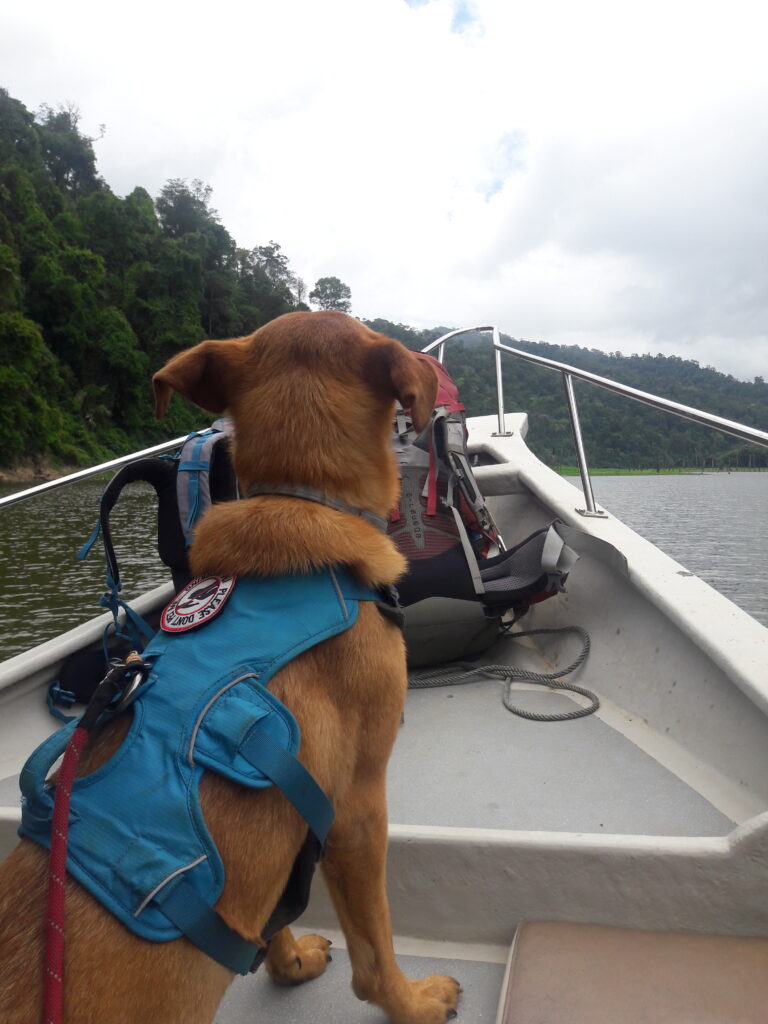
Methodology: Operating in one of the most challenging and remote environments, our approach combined intensive fieldwork with the unparalleled olfactory precision of our conservation detection dog:
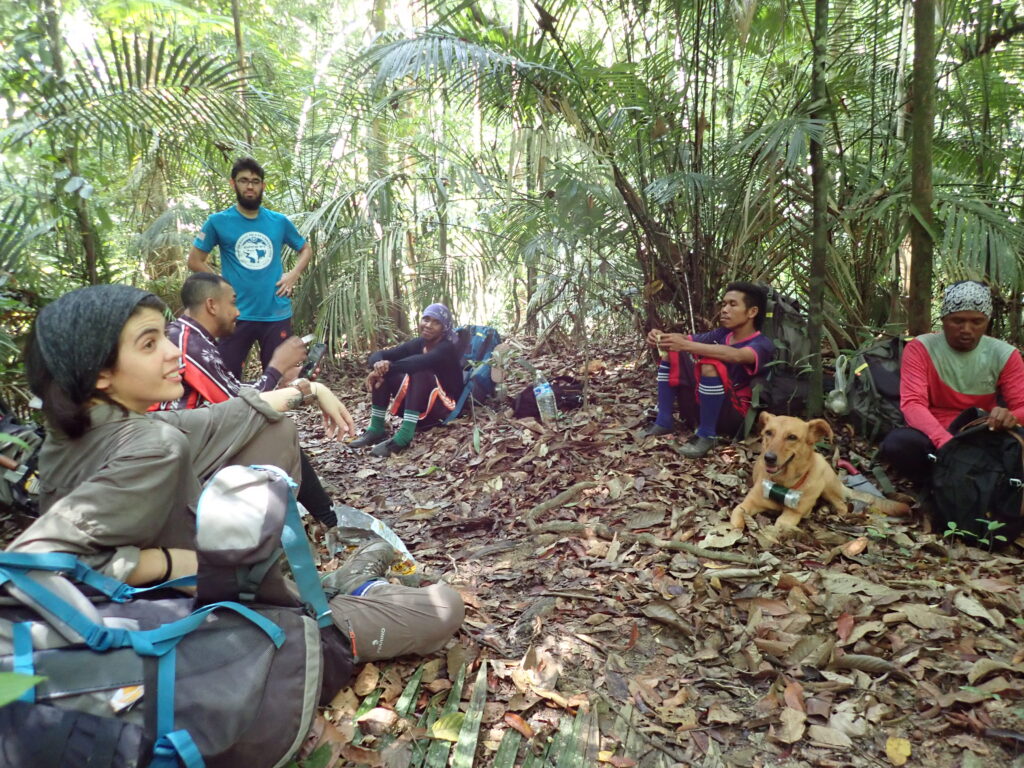
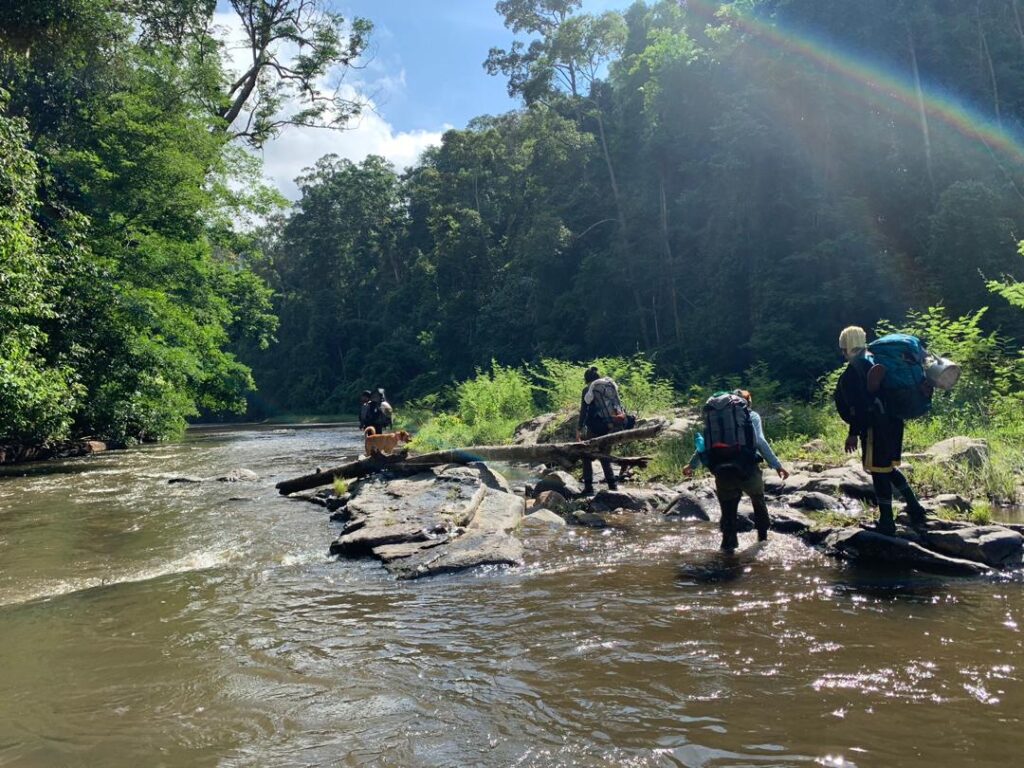
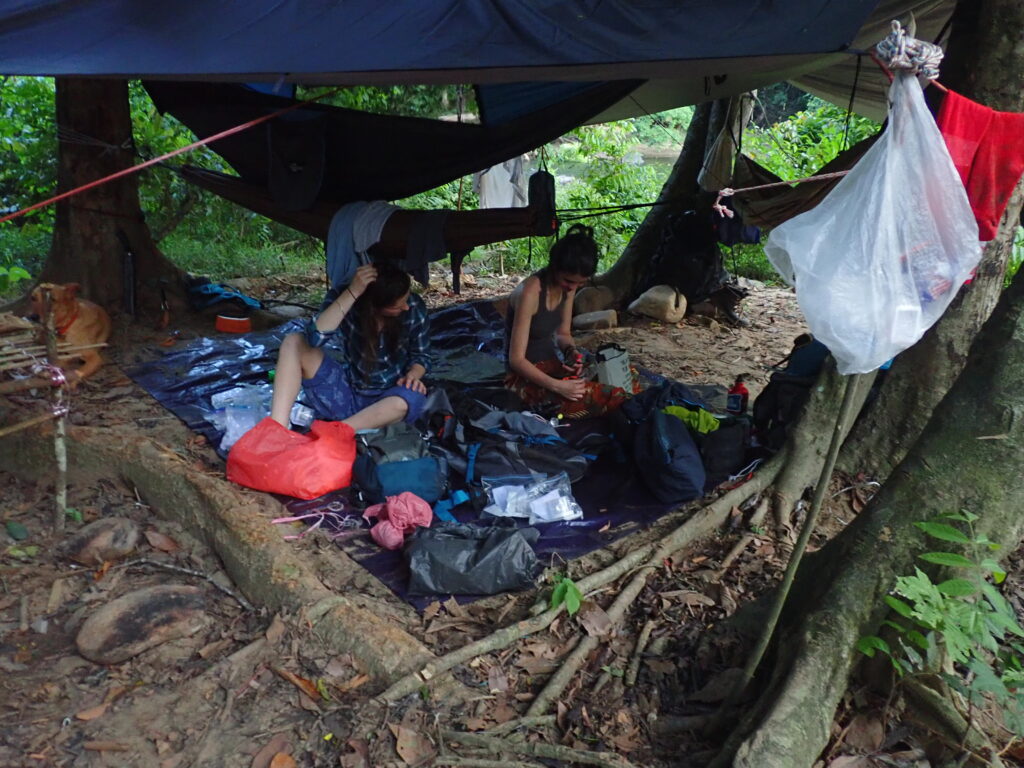
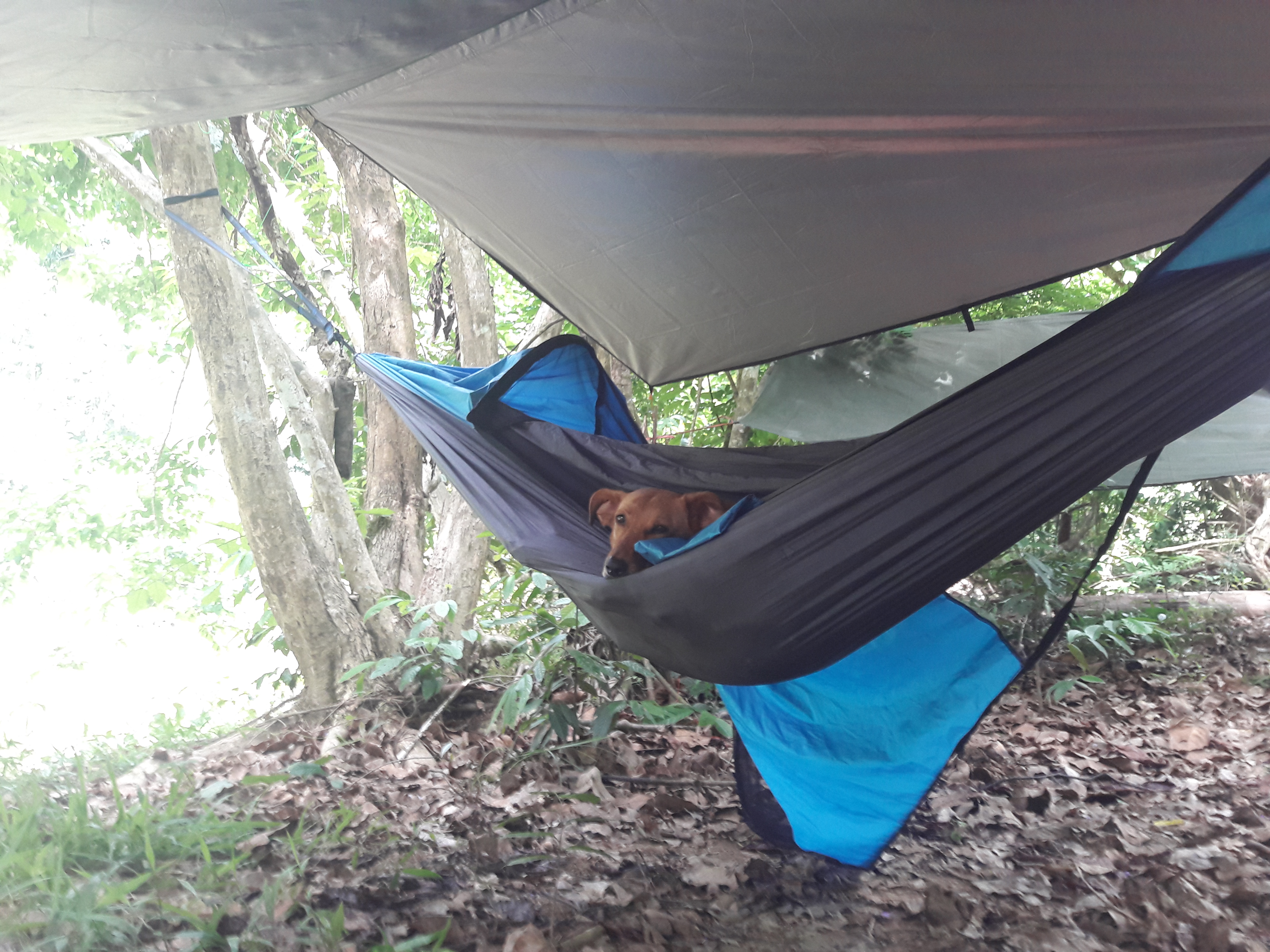
For 15 days, our team immersed ourselves deep within the forest, following a rigorous survey and camp rotation to maximize coverage and data collection within this vast and rugged terrain. We remained within the forest throughout the mission.
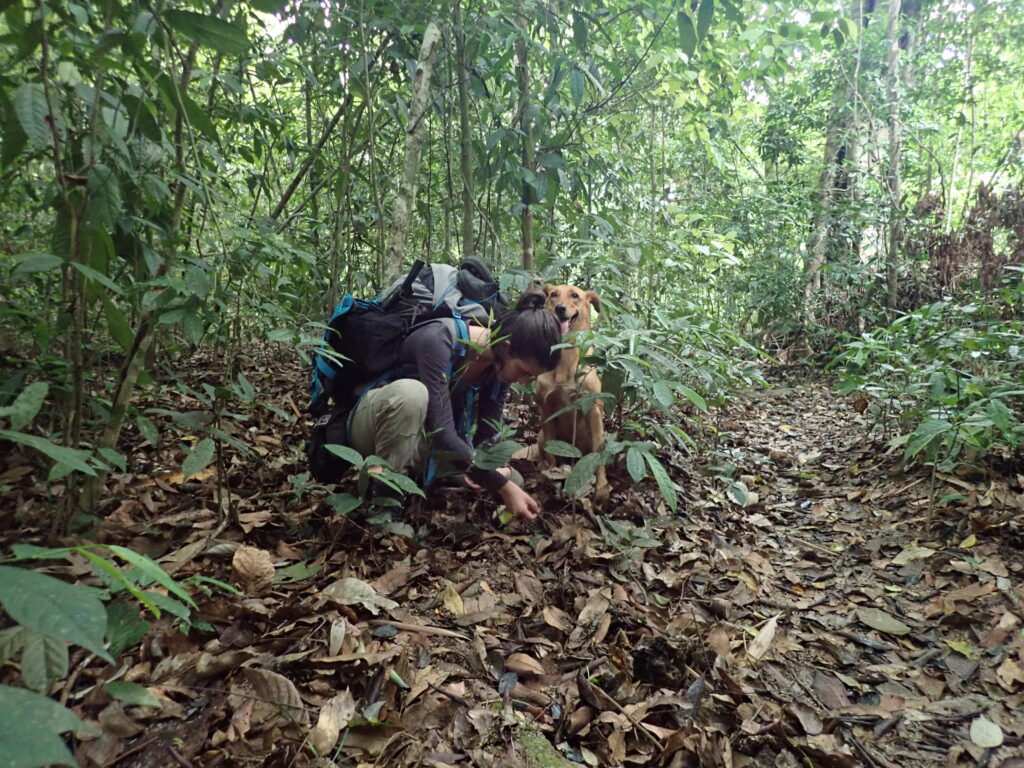
Our highly trained detection dog systematically surveyed vast and often impenetrable sections of the Malaysian rainforest, specifically imprinted on the distinct scents of the target feline species’ scat. Their ability to locate these elusive samples far surpasses human capabilities.
Upon detection, scat samples were meticulously collected following strict scientific protocols to ensure their integrity for genetic and dietary analysis.
Crucially, due to their comprehensive training on carcass detection, our dogs were also able to spontaneously identify and alert to the presence of poached animal carcasses during our surveys. This unexpected but invaluable capability allowed us to directly assist the park rangers in identifying areas of illegal hunting activity, providing actionable intelligence for their enforcement efforts.
Outcome & Impact: Our successful efforts in locating numerous scat samples significantly contributed to the ongoing big cat research and conservation initiatives within Royal Belum State Park. Beyond our primary mandate, our team’s versatility provided an additional layer of protection for the park.
Enhanced Population Monitoring: Our canine team effectively gathered essential data on the presence and distribution of big cats, crucial for assessing their status in a challenging landscape.
Genetic Insights: The collected samples provide the necessary material to analyze population genetics and identify instances of hybridization.
Direct Anti-Poaching Support: By finding poached carcasses, our dogs directly contributed to the rangers’ critical job of protecting the forest and park from illegal hunters, deterring future poaching incidents.
Informed Conservation Strategies: The combined data supports the park’s management and conservation partners in developing targeted strategies for anti-poaching, habitat protection, and the overall recovery of Malaysia’s iconic big cats.