LIFE La Valbonne
- Project Context: The Little Bustard (Tetrax tetrax) is a highly threatened steppe bird species in Europe, facing significant population declines, particularly in Western Europe. In certain regions, their presence in open, grassy habitats adjacent to large infrastructures like airports can create a critical conflict with human activity. These birds, especially during breeding season, pose a tangible strike risk to aircraft, endangering both passenger safety and the integrity of aviation operations. This challenging scenario calls for innovative solutions that protect both human lives and vulnerable wildlife.
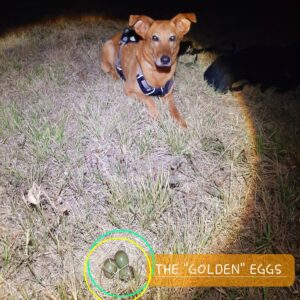
- Our Objective: Our team was engaged by the Conservatoire d’espaces naturels Rhône-Alpes (CEN Rhône-Alpes) to address this unique conservation and safety challenge at Marseille Airport. Our primary objective was to effectively locate Little Bustard nests within the airport’s operational areas using highly specialized detection dogs. This non-invasive detection was crucial for facilitating the safe and timely removal of eggs, preventing potential aircraft collisions while simultaneously contributing to the species’ conservation.
- Methodology: Our approach involved a multi-faceted strategy leveraging the precision of our conservation detection dogs:
- Our specialized detection dog, trained to pinpoint the subtle scent signatures of Little Bustard nests and eggs, conducted systematic surveys across designated areas of Marseille Airport’s grounds.
- Upon detection of a nest, our team collaborated closely with CEN Rhône-Alpes biologists. The identified eggs were carefully and ethically collected and then transported to a dedicated breeding facility.
- This methodology ensured that the operational safety requirements of the airport were met by removing the immediate collision risk, while simultaneously providing a pathway for the bustard population’s future.
- Outcome & Impact: This project represented a significant “win-win” scenario, demonstrating how direct conflict between human infrastructure and wildlife can be mitigated for mutual benefit. Our detection dog was highly successful in locating Little Bustard nests and their eggs, directly contributing to both aviation safety and critical conservation outcomes. By successfully identifying and facilitating the translocation of these eggs, our efforts directly resulted in:
- Enhancing Airport Safety: Reducing the risk of bird strikes involving a species known to cause significant damage to aircraft.
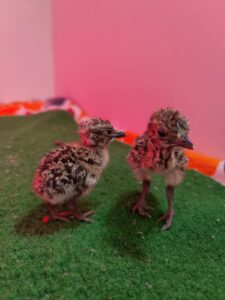
- Species Conservation: The collected eggs were hatched in a controlled breeding facility, already resulting in the successful hatching of some individuals. These young bustards will be later released at a suitable military base, allowing them to integrate and contribute to bolstering the wild population, thereby securing the future of the project and the species’ thriving in France.