LIFE MedWolf Project - Italy
Project Context: The Italian component of the LIFE Project was focused on two critical, interconnected challenges facing the Apennine and Alpine wolf populations (Canis lupus italicus): mitigating livestock depredation and controlling the increasing threat of wolf-dog hybridization. Hybridization dilutes the genetic integrity of the wild wolf population, while accurate damage verification is essential for maintaining human tolerance.
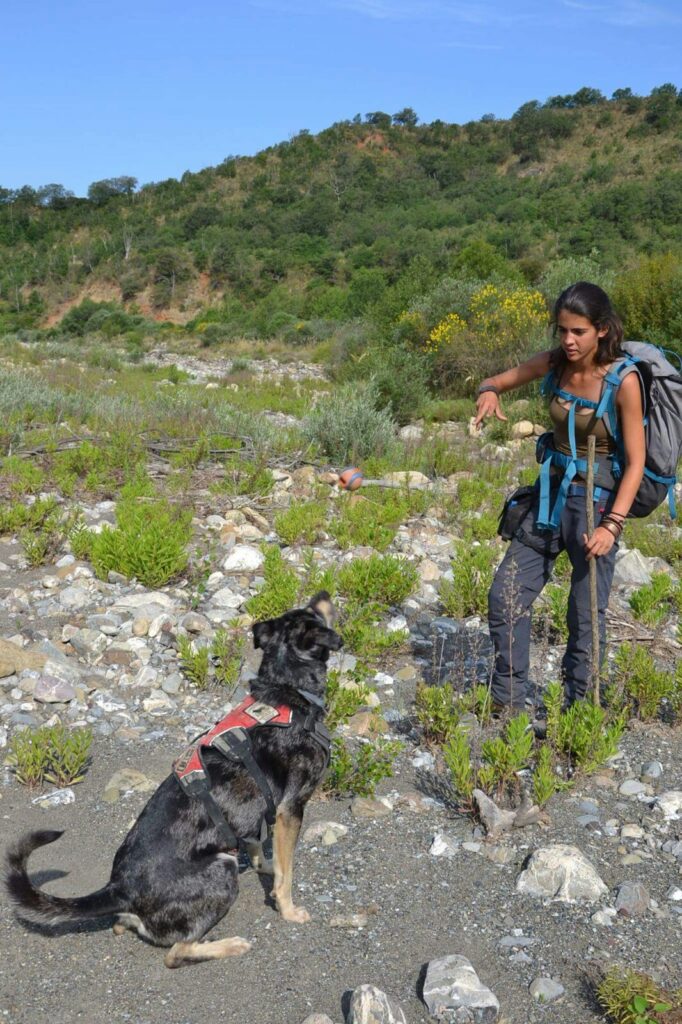
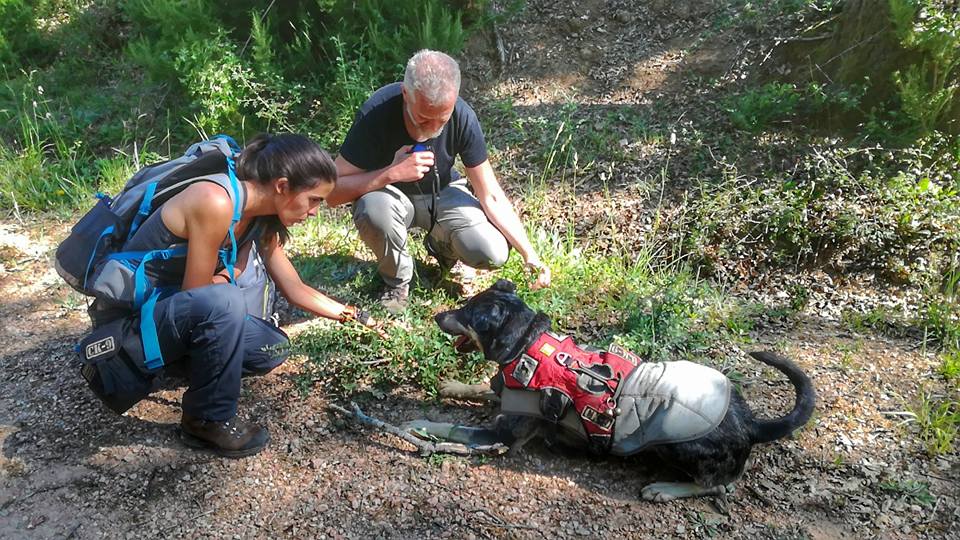
Our Objective: As a Conservation Detection Dog Handler, our objective was to provide highly specialized, rapid deployment services to assist local authorities and project partners in two main areas:
Hybridization Monitoring: Utilizing K9 olfaction to conduct targeted searches for scat (faeces) in known wolf territories. These samples were critical for subsequent genetic analysis to monitor the extent and location of hybridization, informing specific control measures to protect the wild wolf gene pool.
Forensic Verification and Socio-economic Mitigation: Providing rapid-response, objective field support to officially verify and categorize livestock predation events. Our K9 teams accelerated the carcass analysis process, distinguishing wolf attacks from other causes of death.
Outcome & Impact: Our focused deployment in Italy provided immediate, technical support for both conservation enforcement and community relations, demonstrating the speed and objectivity K9 teams bring to urgent conflict scenarios.
Genetic Conservation: The collected scat samples were instrumental in providing the genetic material needed for Italian researchers to quantify the extent of hybridization and identify “hotspot” areas requiring intervention.
Conflict Mitigation: The rapid, objective verification of livestock kills was crucial for the administrative process, ensuring equitable and timely compensation to local farmers. This direct, objective assessment helps reduce negative public attitudes and potential illegal persecution toward the wolf.
Protective Strategy: Our deployment data, combined with forensic evidence, helped project partners to strategically implement targeted damage prevention measures, contributing to the ultimate goal of fostering greater human-wolf coexistence in vulnerable areas.
This experience significantly strengthened our expertise in conflict management forensics and genetic integrity monitoring for large carnivores, complementing our work in Portugal.