LIFE Lupi Lynx
Project Context: Launched in January 2024, the LIFE Lupi Lynx project is a critical, five-year cross-border initiative led by Rewilding Portugal (with partners including Grupo Lobo). Its core mission is to establish socio-ecological conditions conducive to the expansion and sustainable coexistence of the Iberian Wolf (Canis lupus signatus) and the Iberian Lynx (Lynx pardinus) south of the Douro River, specifically across the low-density Beira Interior region of Portugal (Guarda and Castelo Branco districts) and Extremadura, Spain.
Our Objective: Our primary objective was to provide high-precision, non-invasive detection capabilities for both species, thereby overcoming the significant challenge of monitoring their populations in zones of recent presence or extremely low density. This work is foundational for the project’s goal of conflict mitigation and population stability.
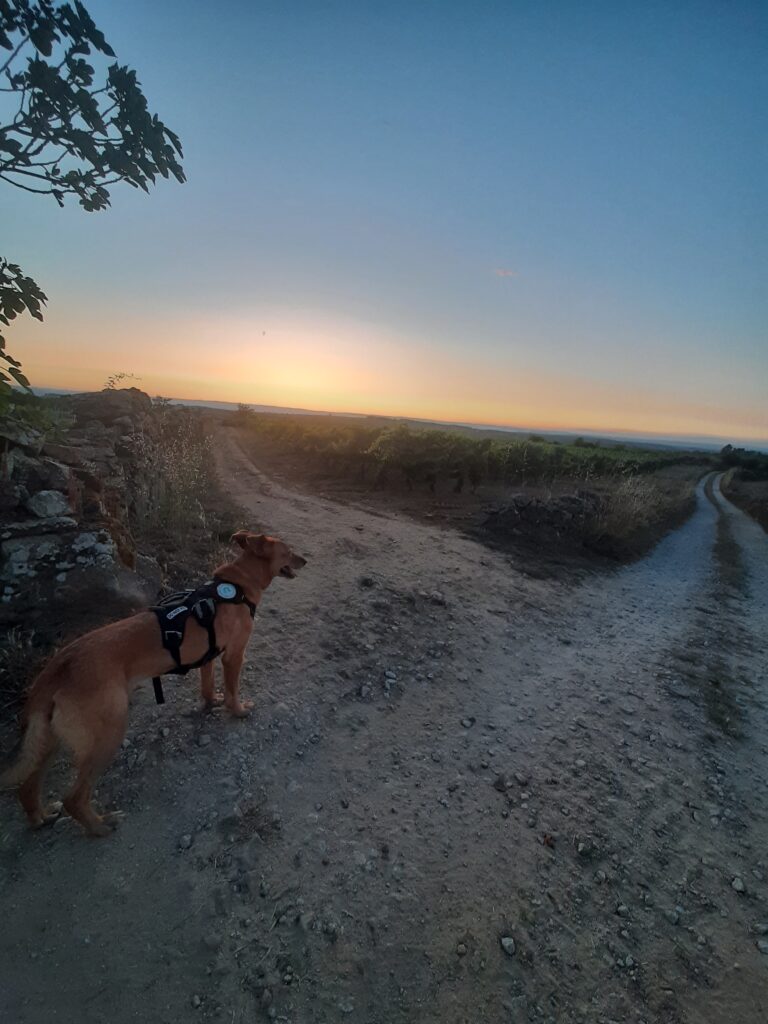
Methodology: Our specialist Conservation Detection Dog team was deployed to systematically survey key areas, leveraging the unparalleled olfactory ability of our dogs for two separate, vital missions:
-
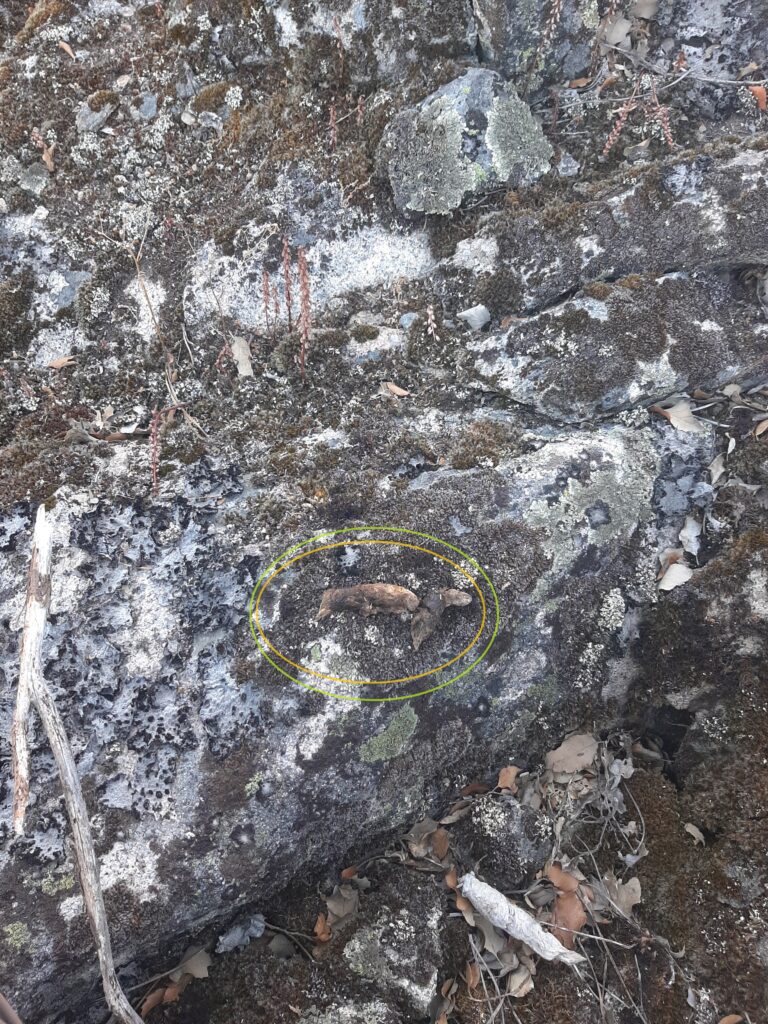
Wolf Monitoring in Low-Density Areas: Our dogs were indispensable for finding wolf scat samples in the sparse and difficult terrain of the Guarda and Castelo Branco districts. In these low-density areas, conservation detection dog teams dramatically increase the detection probability compared to human searchers, securing vital genetic material for accurate population tracking.
-
Lynx Scat Collection: We efficiently located scat from the elusive Iberian Lynx, often in challenging and expansive terrains where visual detection is highly improbable. This confirmed species presence and provided critical data for monitoring their expansion into new territories.
Outcome & Impact: Our work provided a necessary, rapid, and objective layer of scientific intelligence, contributing to the long-term conservation strategy for both apex carnivores.
-
Genetic Intelligence: Successful scat collection for both the Wolf and the Lynx provided invaluable DNA samples for genetic analysis, informing on population presence, dispersal, and genetic characteristics in areas previously lacking data.
-
Strategic Conservation: The spatial data derived from our K9 finds directly contributes to the project’s goal of monitoring species expansion and informs the strategic implementation of targeted habitat restoration and coexistence management strategies (e.g., proper fencing and livestock guardian dog deployment).
-
Demonstrating Conservation Detection Dog Teams Value: We demonstrated the indispensable value of CDD teams as the only reliable tool for generating baseline presence and distribution data for these elusive species in low-density colonization landscapes.
You can find more details about the project on its official website: https://www.lifelupilynx.eu/