Barroso Lithium Project
Project Context: The Barroso Lithium Project in Covas do Barroso, Portugal, represents the intersection of the European Union’s green energy transition goals and critical biodiversity conservation challenges. The region is a recognized World Heritage agricultural site and habitat for the Iberian Wolf (Canis lupus signatus), an endangered species. The project’s Environmental Impact Assessment (EIA) required a robust, objective analysis of the wolf population to inform legally mandated mitigation strategies. However, the project was highly controversial, marked by deep-seated local resistance and a UN ruling citing a lack of government transparency in the licensing process.
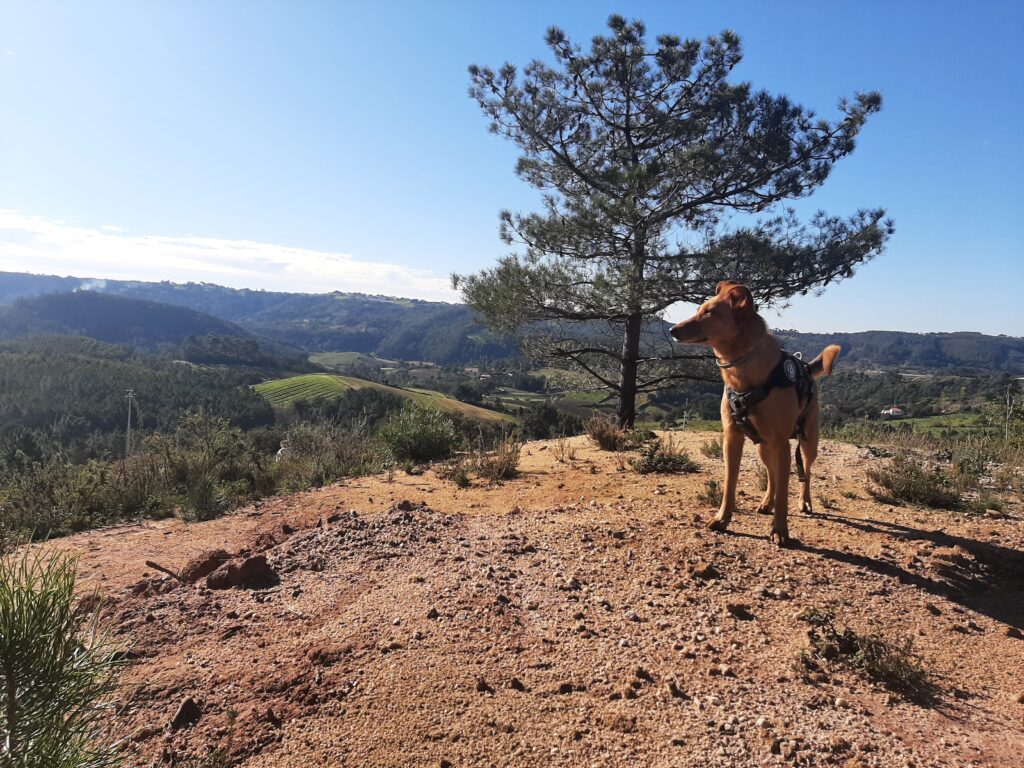
Our Objective: As a Conservation Detection Dog Team, our objective was to provide high-precision, non-invasive ecological monitoring to fulfill the EIA requirements while simultaneously navigating a complex socio-political landscape. This involved two critical missions:
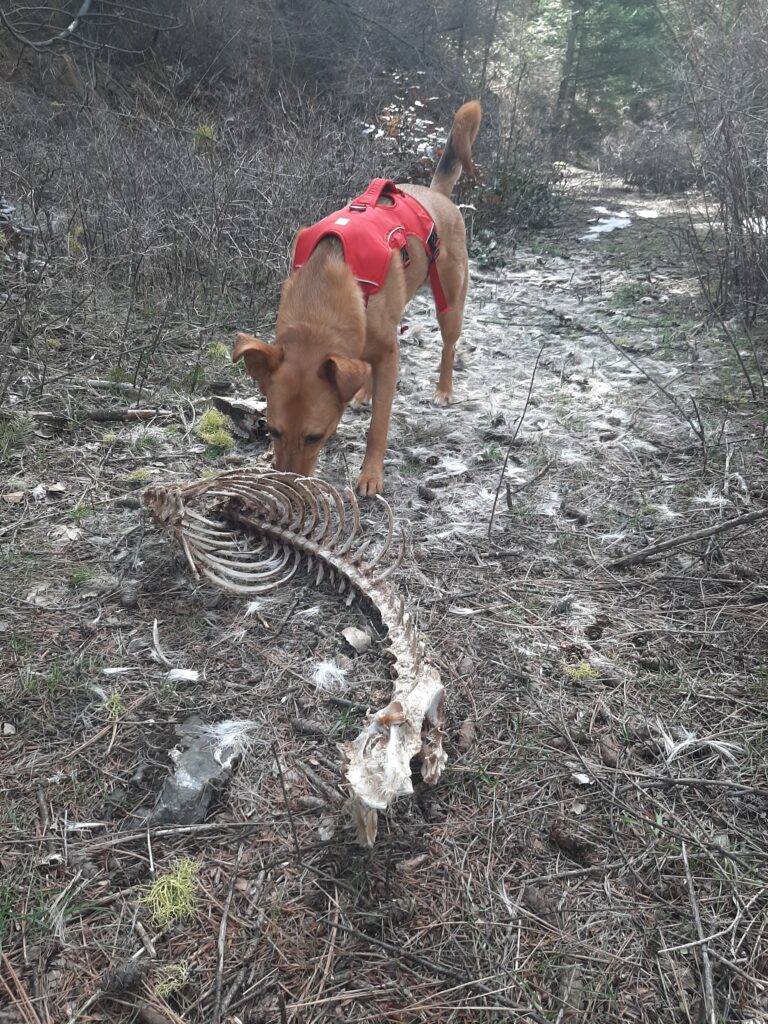
Supplying Genetic Data for Scientific Monitoring: Utilizing K9 olfaction to secure biological samples (scat) across the concession and surrounding buffer zones for accurate population and range assessments, essential for determining the project’s habitat impact.
Bridging the Community Trust Gap: Engaging directly with local farmers and residents, whose approval was necessary for land access. Our objective was to demonstrate a commitment to conservation and scientific impartiality, thereby fostering the goodwill and compromise required to conduct objective field research in an area of high anti-mining sentiment.
Outcome & Impact: Our team’s work provided a layer of scientific rigor and independent verification to the project’s biodiversity chapter, successfully gathering data in a politically charged environment.
This project provided invaluable, hands-on experience in managing a threatened large carnivore assessment in a highly sensitive and contested infrastructure development area, strengthening our expertise in Human-Wildlife Coexistence and Critical Infrastructure EIA methodologie