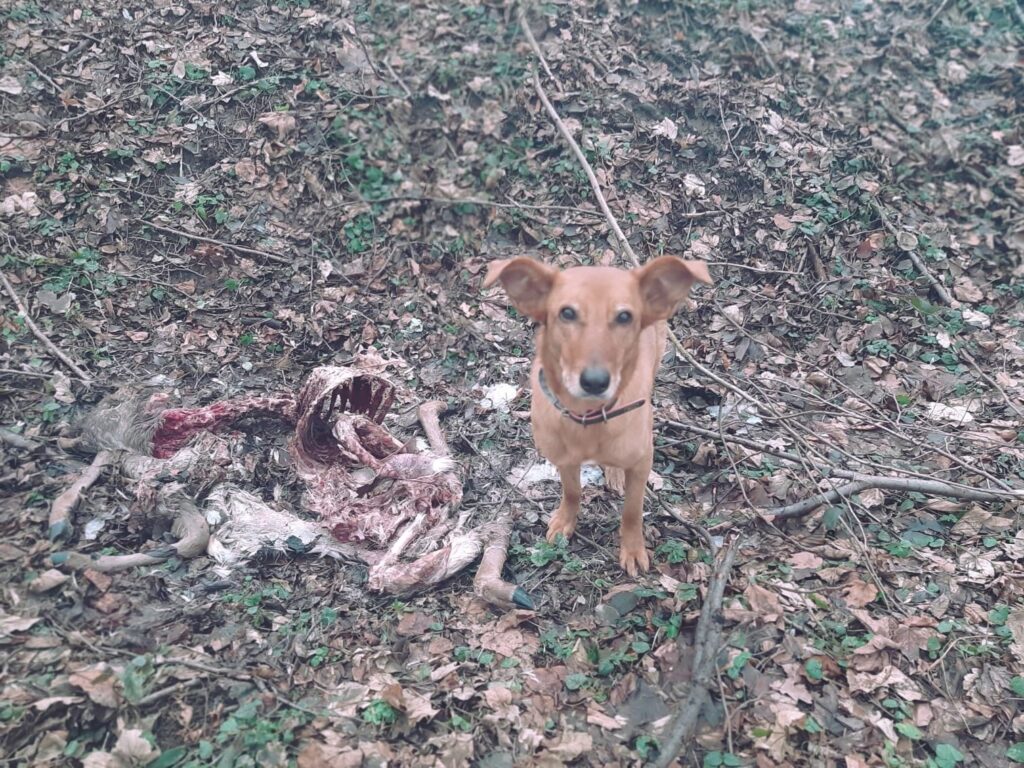
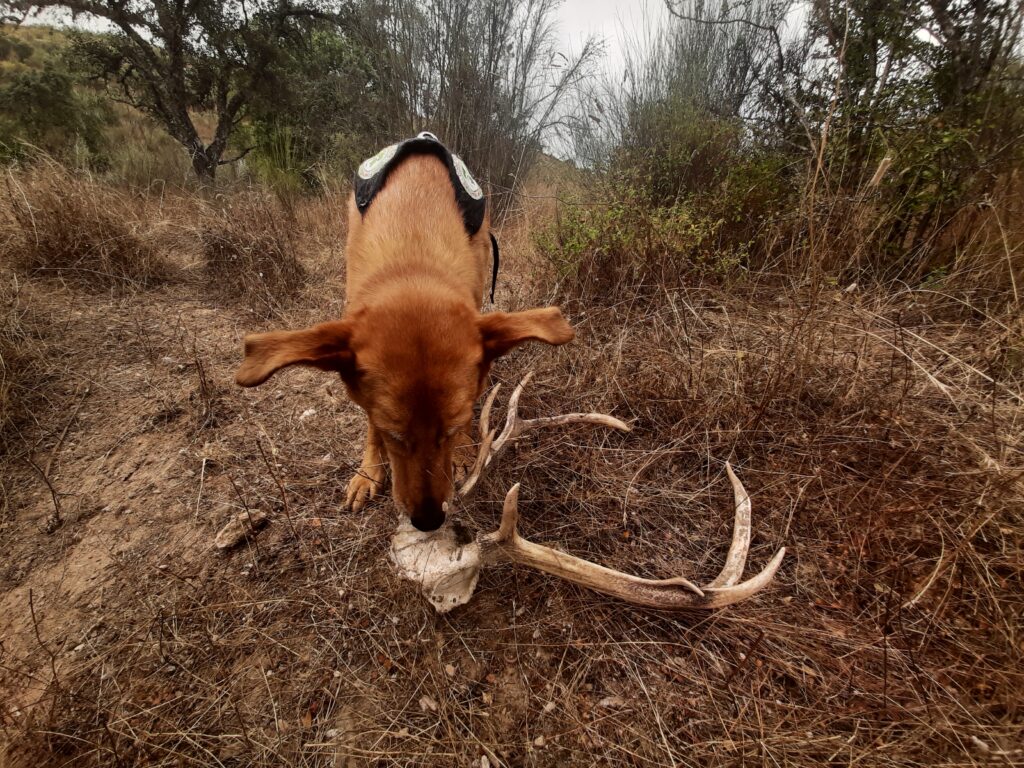
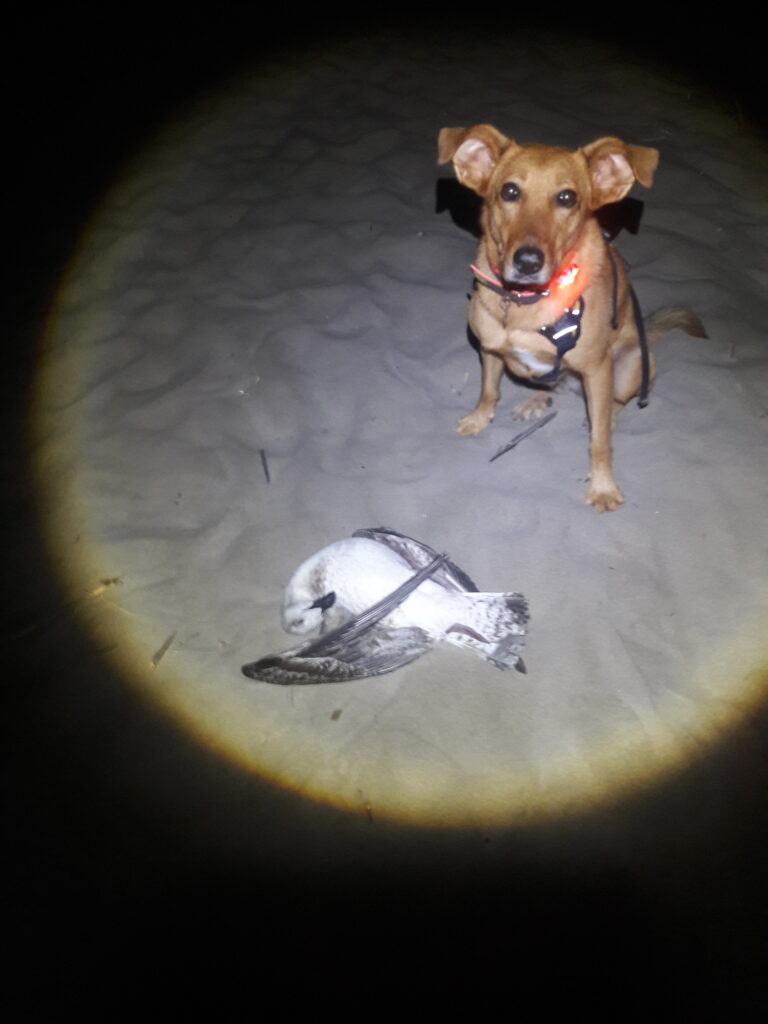
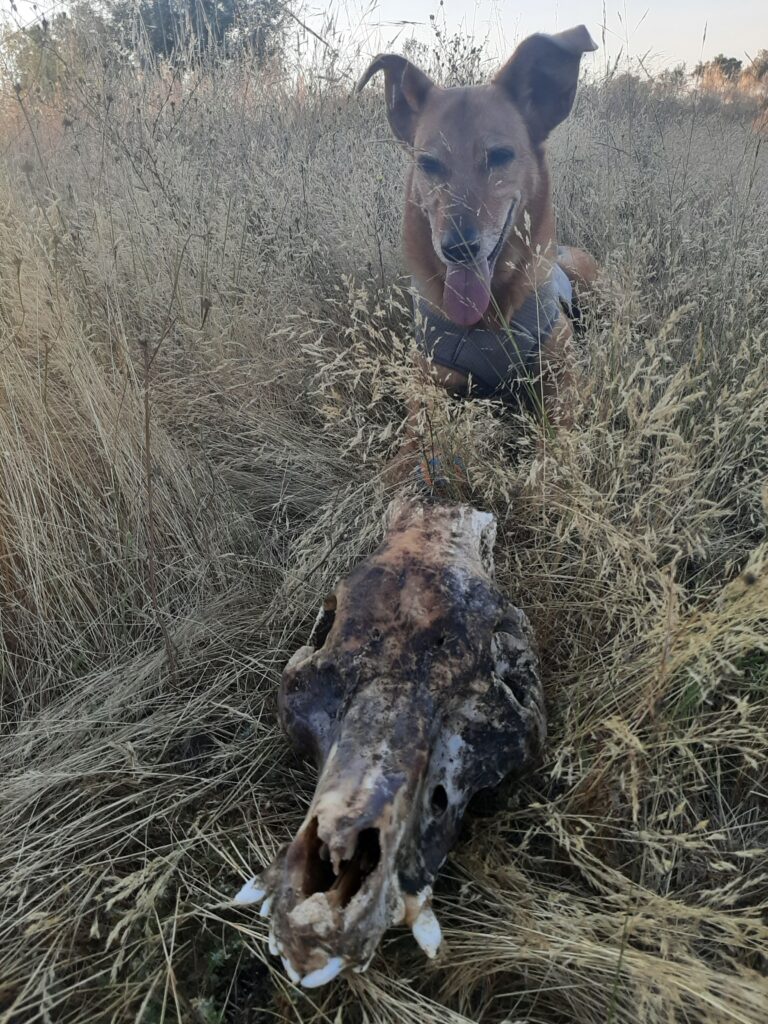
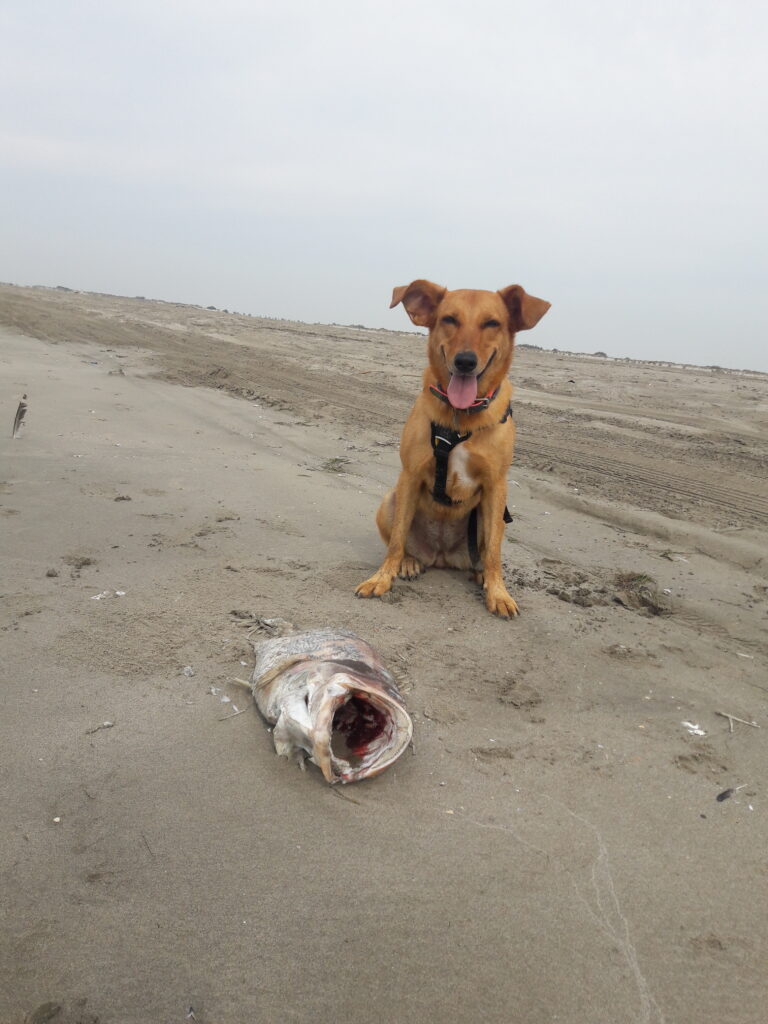
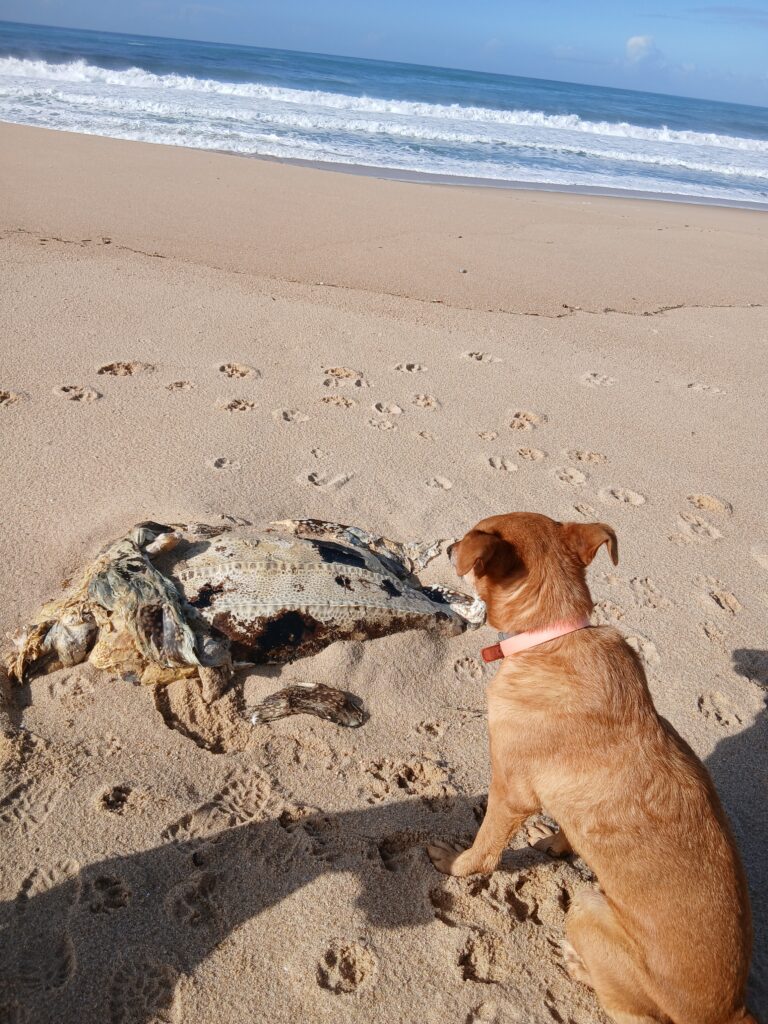
While finding scat helps us understand the health and genetics of a living population, finding a carcass provides definitive, time-sensitive information about the risks and mortality factors in the environment. The carcass is a crucial piece of ecological evidence.
1. Revealing Illegal Human Impact – Carcass detection is often the first line of defense against illegal activity:
Toxicity Hot-Spots: Testing a deceased animal reveals the presence of illegal poisons, pesticides, or heavy metals. Finding a poisoned carcass immediately flags a toxic area that must be secured to prevent secondary poisoning of other vulnerable scavengers (e.g., raptors and other carnivores).
Identifying Persecution: Forensic analysis of the remains can confirm whether the animal was killed by bullets, snares, or traps. This provides undeniable proof of illegal hunting or human-wildlife conflict, allowing authorities to focus enforcement efforts on the necessary regions.
2. Insights into the Food Web and Local Species – A carcass offers a unique snapshot of the food web and the community of species in the area:
Confirming Predator Activity: Analyzing bite marks, kill location, and the consumption pattern of a carcass allows researchers to positively identify the predator species (such as the Iberian wolf). This confirms their exact territorial presence and hunting behavior.
Assessing Ecosystem Health: If the prey animal found was healthy, it shows the predator is hunting successfully. If the prey was old or sick, it confirms the predator is fulfilling its essential ecological role by targeting the weak, which is a sign of a balanced and healthy ecosystem.
Mapping Scavengers: Carcasses attract a variety of wildlife. Using remote cameras at the site reveals the presence of other species, including secretive scavengers (vultures, foxes, badgers). This is an effective way to track species diversity that is often missed by other survey methods.