LIFE MedWolf Project - Portugal
Project Context: The European Union-funded LIFE MedWolf Project (LIFE11 NAT/IT/069) was a vital initiative dedicated to implementing Best Practice Actions for Wolf Conservation by systematically addressing livestock damage and promoting stable coexistence with local farming communities in Portugal’s central-interior districts (Guarda and Castelo Branco). The project’s success depended on obtaining accurate, non-invasive data to guide mitigation strategies.
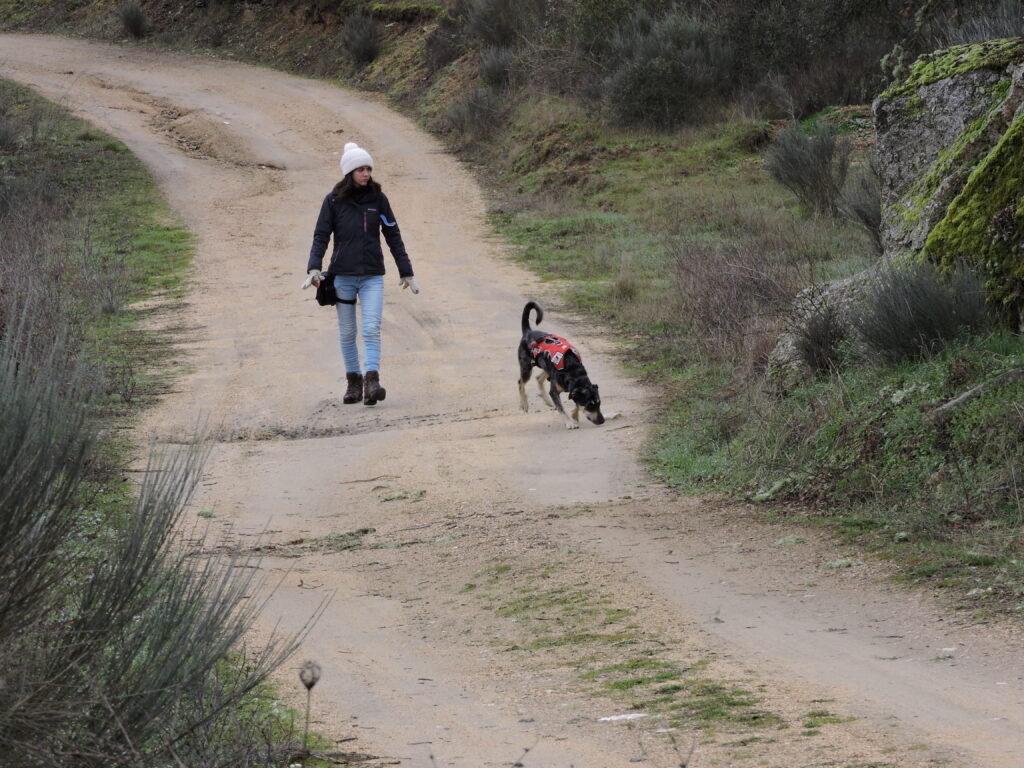
Our Objective: As a Conservation Detection Dog Team, our objective was to provide high-precision, non-invasive ecological and forensic monitoring to support the project’s primary goals of conflict reduction and population stabilization. This involved two critical missions:
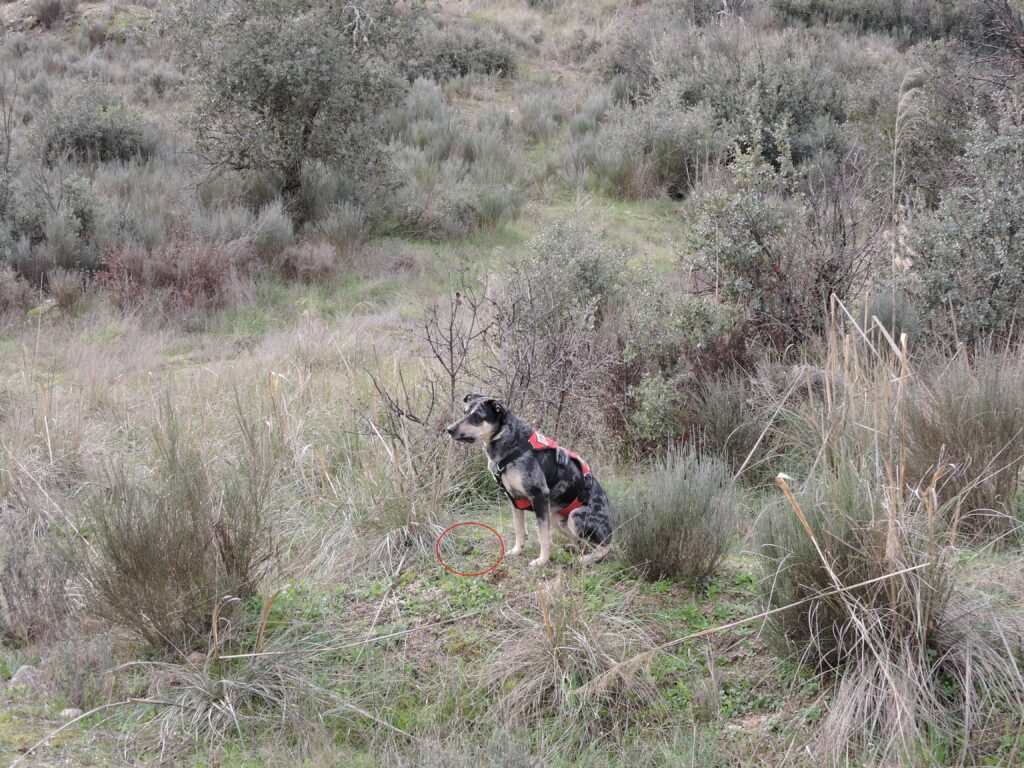
Supplying Genetic Data for Scientific Monitoring: Utilizing K9 olfaction to secure biological samples (scat) for population and health assessments.
Forensic Verification and Socio-economic Mitigation: Providing specialized field support to officially verify and categorize predation events on livestock. This direct, objective assessment was crucial for the administrative process, ensuring equitable and timely compensation to local shepherds and thereby reducing negative public attitudes toward the wolf.
This dual focus ensured our K9 teams contributed both to the ecological understanding of the Iberian wolf population and the socio-economic stability of the affected human communities.
Outcome & Impact: Our team’s work provided a vital scientific and enforcement layer to the LIFE MedWolf project’s success, demonstrating the power of K9 detection in large carnivore conservation and anti-persecution efforts.
Scientific Rigor: The scat collection effort provided the necessary genetic material for accurate population monitoring of the endangered Iberian wolf nucleus.
Forensic Intelligence: The rapid detection of carcasses facilitated the immediate investigation of mortality events. Carcass analysis is key to differentiating natural predation from illegal persecution, supporting the project’s efforts to combat human-caused mortality.
Mitigation Support: The deployment data helped project partners strategically deliver damage prevention measures that contributed to the project’s overall goal of reducing livestock depredation events, fostering greater tolerance for the wolf’s presence.
This project provided invaluable, hands-on experience in managing a threatened large carnivore in a human-dominated landscape, strengthening our expertise in human-wildlife coexistence methodologies that we now apply globally.